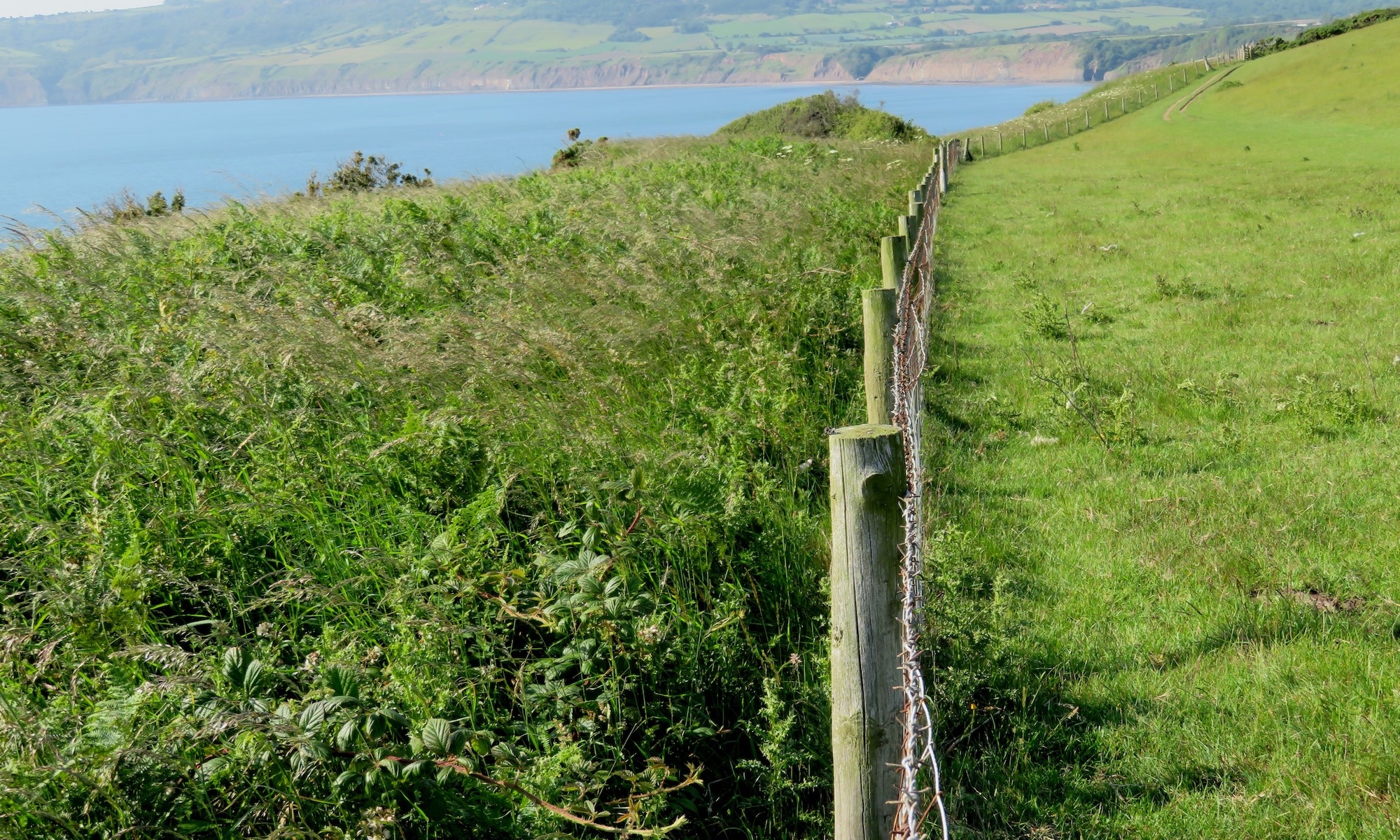

Transforming school grounds for nature and learning
By Dr Jenny Marks
5th January 2026

The Red Kite Rewilding Initiative is helping schools to transform their grounds into thriving habitats for wildlife and inspiring the next generation of environmental leaders. Led by Yorkshire Rewilding Network (YRN) committee member Dr Jenny Marks, with her background in nature conservation and wild land management, and supported by Claire Blindell, a community engagement specialist, the project brings together expertise, passion, and practical action for nature recovery.
In partnership with Red Kite Learning Trust (RKLT) and the National Education Nature Park (NENP), the initiative began in July 2023 with three schools in Harrogate. In 2025 funding from YRN headline sponsor ENGIE allowed the project to expand to include nine more schools in Leeds and Harrogate. The project team works with schools to map their habitats, identify opportunities for biodiversity enhancement, and embed nature-friendly habitat approaches, involving as many of the students as possible in the process.
Read on to find out what’s been happening at two of the schools in the project: Templenewsam Halton Primary in Leeds and Rossett School in Harrogate.
A Journey of Discovery at Templenewsam Halton Primary School
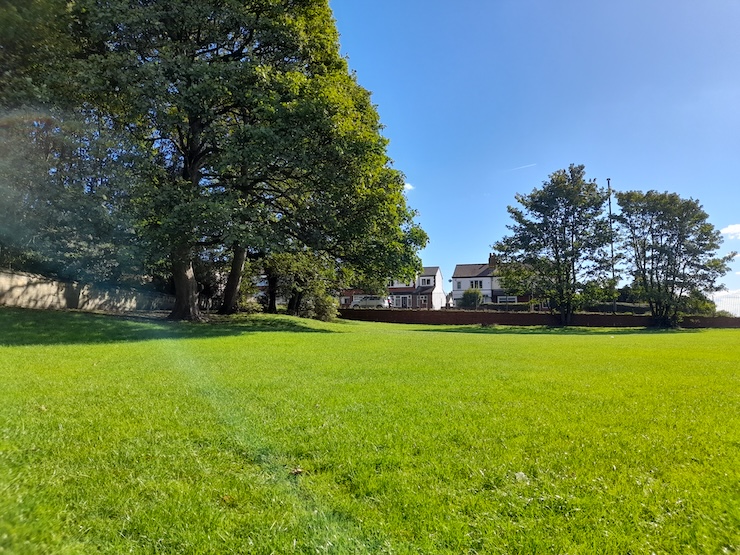
Templenewsam Halton Primary School is a vibrant two-form entry school, with around 60 children in each year group. The senior leadership team is deeply committed to nature and outdoor learning, and every class is named after a different British animal or bird, reflecting the school’s ethos and connection to the local environment. There is a dedicated forest school area, complete with an outdoor classroom and a wild section of woodland, as well as mature trees with wonderfully gnarled bark and plenty of grassy spaces for exploration and play. With all these features, the school is starting from a great place to develop its rewilding project even further.

In September, Templenewsam Halton Primary hosted a Nature Park Assembly for the whole school. As Jen Horseman from the NENP and the Red Kite Rewilding team shared stories of wildlife and wild places, they could see eyes widening and imaginations taking flight. Pupils from all year groups enthusiastically got involved, answering questions and remaining engaged throughout. Children who might never have thought about the secret lives of insects or the importance of long grass for wildlife realised that there were simple things they could do to help nature at their own school, and also understood that they themselves were a part of nature.
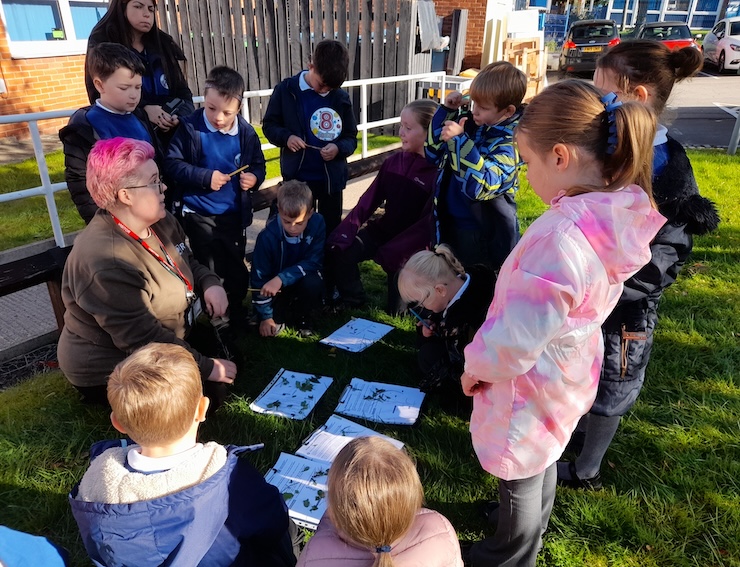
After the assembly, there followed a day of hands-on habitat mapping for children in Years 3-6, mapping grassland and tree habitats in their grounds. This became an adventure, with laughter and shouts of discovery. For many, it was the first time they’d looked at their school grounds and truly seen them as a living, breathing ecosystem – one with lots of different habitats that they could help to shape and improve. They saw that their school could be an important stepping stone for nature, joining other schools across the country in making a difference for climate and biodiversity.

Pride, ownership, and big dreams
What was most inspiring was how the day empowered pupils to dream boldly. Their ideas for how to help nature at their school – some practical, some wildly imaginative – were fantastic. “We could have a lynx and let the school rewild!” suggested one enterprising Year 5 pupil. Others talked about planting orchards, building bug hotels, or letting the grass grow wild and long. “If a woodpecker makes a hole, an owl might like to live in it!” said one Year 3 pupil examining a tree carefully. “I love running through long grass” a Year 6 pupil told the team as they gazed out across the school playing field, imagining it with uncut grass.
Real impact, real change
The numbers tell part of the story: hundreds of children engaged, dozens actively mapping habitats, countless ideas shared. But the real impact was in the confidence, interest and enthusiasm that filled the students. They learned ecological skills and began to discover their own power to make positive changes.
With a detailed habitat map in hand and a community of enthusiastic budding naturalists, the school is developing its activity plans and will soon begin replanting hedgerows. There are exciting times ahead!
Rossett School: Planting hope for the future
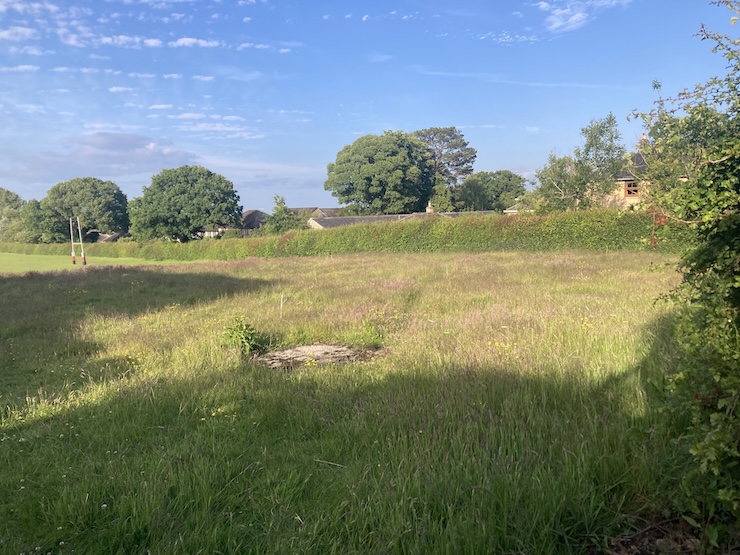
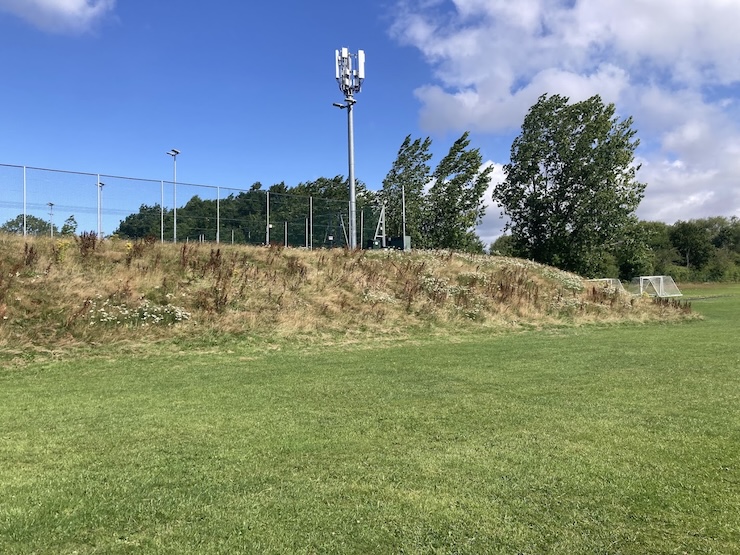
Rossett School is a large secondary school with expansive playing fields and extensive grassy areas surrounding its buildings. The rewilding journey here began in 2023, and in 2024, the management of the grounds changed dramatically; new trees were planted, and areas of grassland were left uncut or managed like haymeadows. The results were immediate and exciting – common spotted-orchids even flowered on the front lawn, where mowing was relaxed, to the surprise and delight of staff and pupils!
Last year, students from every year group rolled up their sleeves and planted trees across the school site, transforming familiar spaces into living, growing habitats.

This year, the school is focused on more tree planting and the creation of a wildflower meadow. In November, on a morning marked by hard frost and biting cold, the Red Kite Rewilding team wondered if their day’s plans would be possible. But 11 volunteers from ENGIE arrived, undeterred by the weather, and worked tirelessly for four and a half hours. Their dedication was matched by Ting Zhu, a regular volunteer with the Red Kite Rewilding Initiative, who brought along her two teenage sons. Together, this group planted around 200 new trees and created a wildflower area.
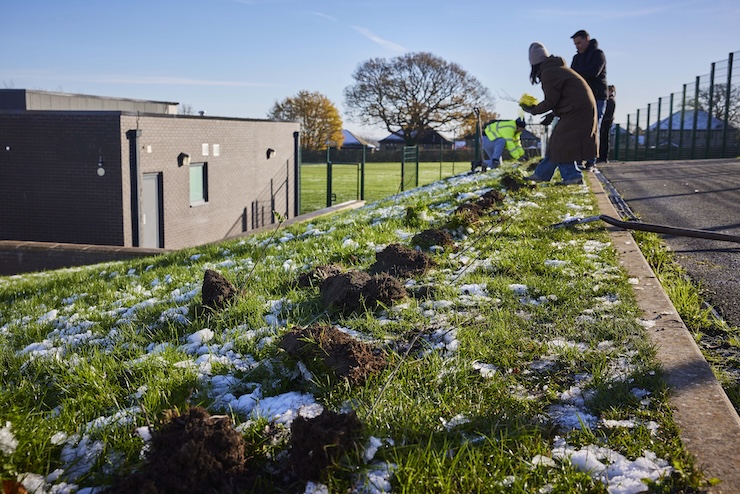
One of the most memorable moments in the day came when the volunteers put on some music and danced across the ground to create a seedbed ready for sowing wildflower seeds! The new wildflower area is set to be a vibrant highlight of the school grounds. In its first year, it will bloom with colourful cornfield annuals – corncockle, common poppy, corn chamomile, cornflower and marigold. Beneath these, perennial species will be growing slowly, gradually taking over from the annuals. The seed mix for these includes 28 flower species such as yarrow, lady’s bedstraw, oxeye daisy, meadowsweet and small scabious, along with five different grass species. Around the edges, the ‘leave it wild’ approach will be maintained: piles of deadwood and self-seeded buddleia bushes were left in place, and a few native tree species were planted to provide additional habitat. This will create a rich mix of woody and grassy habitat once everything grows.
A particularly satisfying part of the day was pulling out old weed matting – removing unsightly and unhealthy degrading plastic and revealing the soil underneath. No chemical herbicides were used and, because wildflowers thrive in low-nutrient soil, no additional soil was added. It was definitely all about the physical labour!


Volunteer voices captured the spirit of the day: “I’m going to feel good all weekend because I’ve done this”, “I don’t have a garden at home, but I love working with the soil” and “It’s going to look amazing when it grows!”.
In five years’ time, children in classrooms around the school will look out to see young trees, long grass, and the wildlife these habitats attract. This daily connection with nature is proven to boost both physical and mental health and even improve academic attainment.

Get involved!
If you’ve been inspired by the stories from Templenewsam Halton Primary School, Rossett School and the Red Kite Rewilding Initiative, why not get involved?
- Whether you’re a parent, student, staff member, or local resident, there are so many ways to help –volunteering, sharing your ideas, or simply spreading the word. Every action, big or small, helps create a wilder, healthier, and more joyful environment for everyone.
- The National Education Nature Park is free to join so encourage a school you know of to sign up. It provides educators with resources, support and guidance to enable them to embed climate and nature into the curriculum in a way that suits each setting and the age group of the learners.
- There will be a free Yorkshire Rewilding Network webinar on the Red Kite Rewilding Initiative on 25 February at 7.30pm: you can find details and how to register on the ‘events’ page on the YRN website. This will be available to watch for free on the YRN YouTube channel and website shortly afterwards.
- Check out Lesley Malpas’ ‘Rewilding Schools’ webinar from January 2024 for further inspiration.
Join us in making a difference – let’s rewild our schools and our communities, together!
Further information and helpful links:
National Education Nature Park
YRN webinar ‘Rewilding Schools’ with Lesley Malpas
Lesley Malpas has also published an excellent book on the topic: The Rewilding Manual for Schools: A guide to restoring nature in your school grounds
ENGIE Supply UK is a major player in the energy transition, whose purpose is to accelerate the transition towards a carbon-neutral economy. They’re keen to support initiatives to help the local community.
A big thank you to them from YRN for making this project really take off!

Image credits: YRN and Helen Williams.