by Daniel Bland
10th January 2026
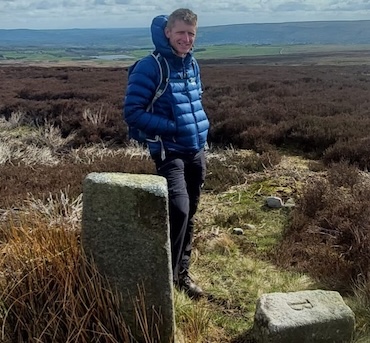
A quiet moment of connection with the landscape that shapes his work.
Roots in Heritage and Landscape
I’m Dan, and my work has always sat somewhere between heritage, landscape, and the stories that shape how places evolve. I’ve spent more than a decade as a heritage architect repairing and adapting old rural buildings, and over time that work pulled me steadily toward the land itself — its soils, its histories, and the people who care for it.
A Shift Sparked During Covid
The shift into conservation grazing didn’t happen overnight. It began during Covid, when I was designing a barn conversion and found myself fitting bat boxes, owl lofts and bee bricks. I remember thinking: why are we creating artificial homes for wildlife while building comfortable homes for ourselves? It felt like a sign of how disconnected our approach to land and buildings had become.
Early Influences and the Pull of the Uplands
I’ve always had a strong pull toward farming and the outdoors. My grandparents had a smallholding near Bradford, and I grew up watching the seasons change across the fields. I spent most of my childhood in Bempton on the Yorkshire coast, but the more rugged upland landscapes always felt like they were calling. That early connection stayed with me, and I’ve spent much of my adult life walking the uplands and exploring the landscapes that continue to shape my work. Alongside architecture, I’m a keen drystone waller, often working with others in the craft. Keeping my hands on stone and soil keeps me grounded — literally — and it shapes how I think about land management.
Working with soils, stone, old buildings, and rare breed sheep has become a kind of restorative practice for me — a way of quieting the mind and reconnecting with the land’s deeper stories.
Learning to Work With Land, Not Against It
After the pandemic, I became more aware of how our choices ripple through the environment, especially around food production. In 2021 I spoke with Jeff Davitt from the Yorkshire Rewilding Network about an idea that had been forming: that grazing animals could work with rewilding, not against it. That conversation nudged me into new territory.
Since then, I’ve worked with the RSPB on upland research, explored regenerative agriculture through Wilderculture and Allan Savory’s Holistic Land Management, and joined Pasture for Life, where I’m now in my second year as a project mentee. Those experiences gave me a new way of seeing land — not as something to control, but as something to work alongside.
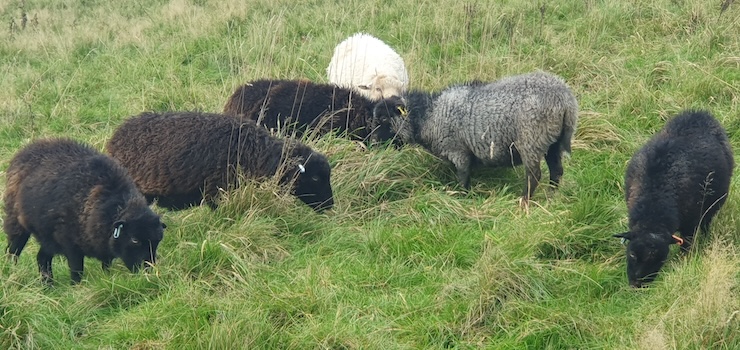
So how do sheep fit with rewilding?
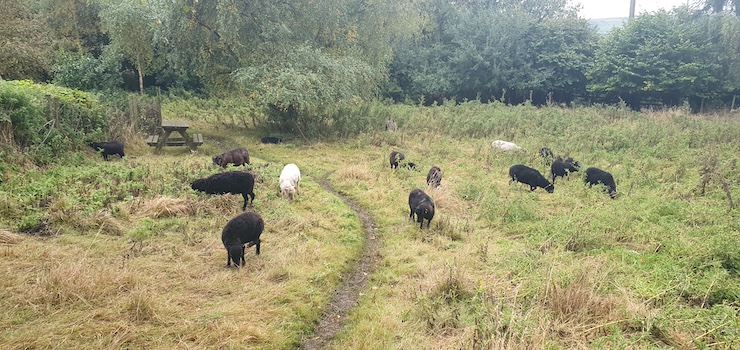
In a more complete ecosystem we would expect to find a range of grazing animals. In ancient times Britain would have had herds of aurochs, bison, wild horses and deer constantly on the move, browsing and keeping some areas of land as open pasture, disturbing the soil, dispersing seeds and so on. For rewilding projects, particularly those of a smaller scale it’s important to include an element of natural disturbance and sheep can help fulfil that role, especially when used in small numbers and for limited periods to avoid over grazing and soil compaction. Rare breeds work well because not only are they hardy, but they have a more varied diet happily browsing on a range of plants and scrub which helps to control invasive plants and promote wildflowers.
A Small Flock and a Growing Vision
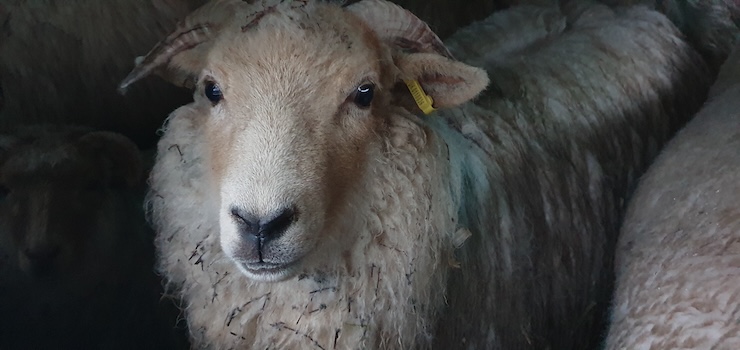
In 2025 I began managing 15 acres in Kildwick with a small flock of rare breed Ouessant and Portland sheep. Working with the landowners, we’re spending this winter planting new hedging, restoring wetland features, protecting regenerating woodland, and introducing rotational grazing to rebuild soil health and biodiversity. In early 2026 I’ll begin helping a landowner near Otley restore what appears to be ancient grassland now threatened by under grazing and failing boundaries — a reminder that habitats decline in more ways than one.
Working With Landowners, Not Just Land
A lot of my work is with smaller landowners, and I value that deeply. These places hold memories and meaning, and the best outcomes come when owners are part of the process. My role is to listen, to understand the land’s history, and to help people see what their fields can become.
Unlocking Ecological Potential
For me, conservation grazing isn’t about imposing a vision. It’s about unlocking the ecological potential already there, and helping people reconnect with the land they care for. When a landowner hears skylarks again, notices new species appearing in the sward, or simply sees their fields responding to gentler management, that’s when it all makes sense.
Looking Ahead
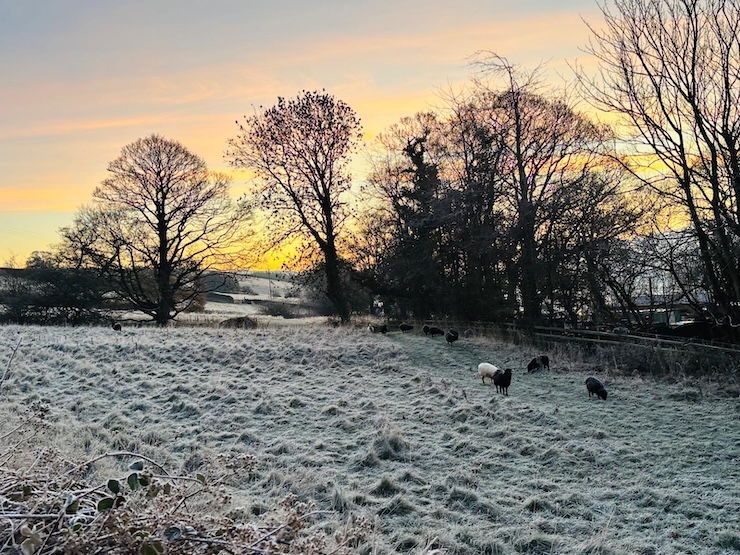
I’m looking forward to connecting with others through the Yorkshire Rewilding Network and being part of a wider movement that values both ecological recovery and the lived stories of the people who steward these landscapes.
About the Author
Daniel Bland is a heritage architect, drystone waller, and conservation grazing practitioner working across the Yorkshire uplands. He blends traditional craft with evidence‑led land management, using rare breed sheep to support biodiversity and help landowners reconnect with their landscapes.
Instagram: @UplandArchitecture
Website: www.UplandArchitecture.co.uk
[Image Credits: Daniel Bland, Rebecca Ryan]